
Call: 08037734043
 Send Inquiry
A Biometric Attendance System is an automated system that records employee or student attendance by using unique biological characteristics such as fingerprints, facial features, iris patterns, or palm prints for identification.
A biometric attendance system captures a person's biometric data during registration and stores it securely in a database. When the person reports for attendance, the system scans the biometric trait, compares it with the stored template, and verifies the identity. Once verified, the attendance is automatically recorded with the date and time.
Biometric Scanner Captures fingerprints, facial images, iris patterns, etc.
Database Stores biometric templates and attendance records.
Processing Software Matches scanned data with stored records.
Attendance Management Module Generates attendance reports and tracks working hours.
User enrolls by providing biometric data.
The system creates and stores a biometric template.
During attendance marking, the user scans their biometric trait.
The system verifies the identity.
Attendance is recorded automatically.
Prevents proxy attendance ("buddy punching").
Improves accuracy and reliability.
Saves time compared to manual attendance.
Reduces paperwork and administrative effort.
Provides real-time attendance tracking and reporting.
Schools and colleges
Offices and industries
Government organizations
Hospitals
Construction sites and factories
A biometric attendance system is an electronic attendance management solution that uses unique biological characteristics, such as fingerprints or facial recognition, to accurately identify individuals and automatically record their attendance.
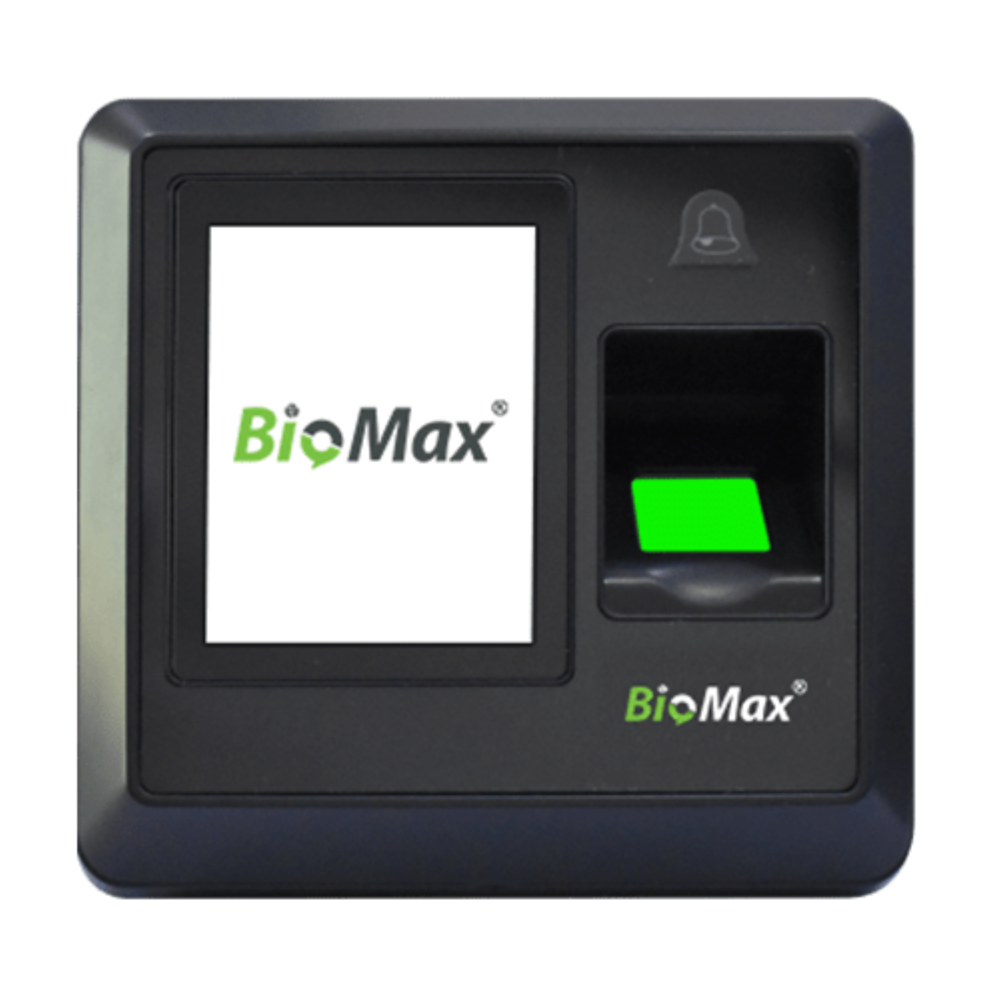

Price:
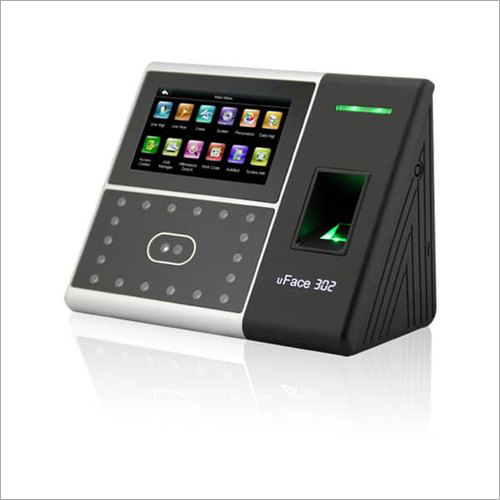
Price 22000.00 INR / Unit
Minimum Order Quantity : 1 Unit
Usage : For Attendance Tracking
Type : Biometric Machine
Material : Plastic
Automation Grade : Automatic
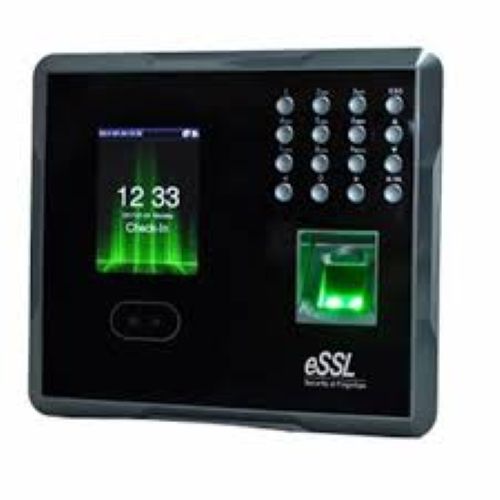
Price 3498.0 INR / Piece
Minimum Order Quantity : 1 Piece
Usage : Time Attendance and Access Control
Type : Biometric System
Material : ABS Plastic
Automation Grade : Automatic
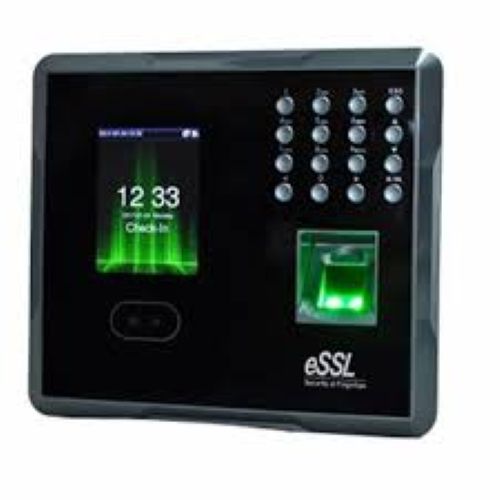
Price 2500.0 INR / Number
Minimum Order Quantity : 1 Number
Usage : Employee Time Attendance
Type : Biometric Time Attendance Device
Material : Highquality ABS Plastic
Automation Grade : Automatic
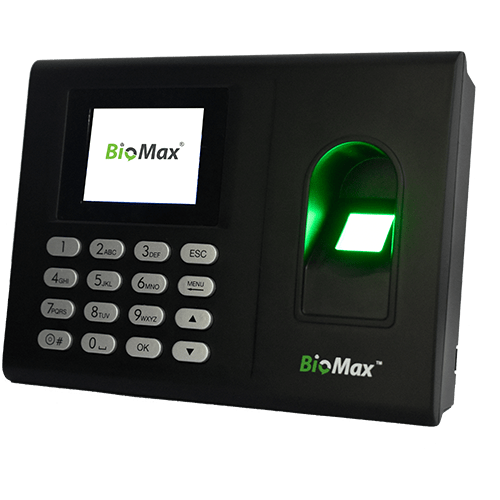
Price 3500.0 INR / Number
Minimum Order Quantity : 1 Number
Usage : Employee Attendance, Access Control
Type : Biometric Attendance System
Material : ABS Plastic Housing
Automation Grade : Automatic
GST : 36AAHCP8044R1ZM
|


 Send Inquiry

 Send Inquiry
